Utena Fansub Ep 15 Translation Notes
Revolutionary Girl Utena Episode 15 The Landscape Framed By Kozue.mkv
Last episode release I did a lot of textual analysis, because that was the most interesting part of the episode by far. This time, the episode was packed with interesting Japanese vocab, so I’ll be focusing on that today!
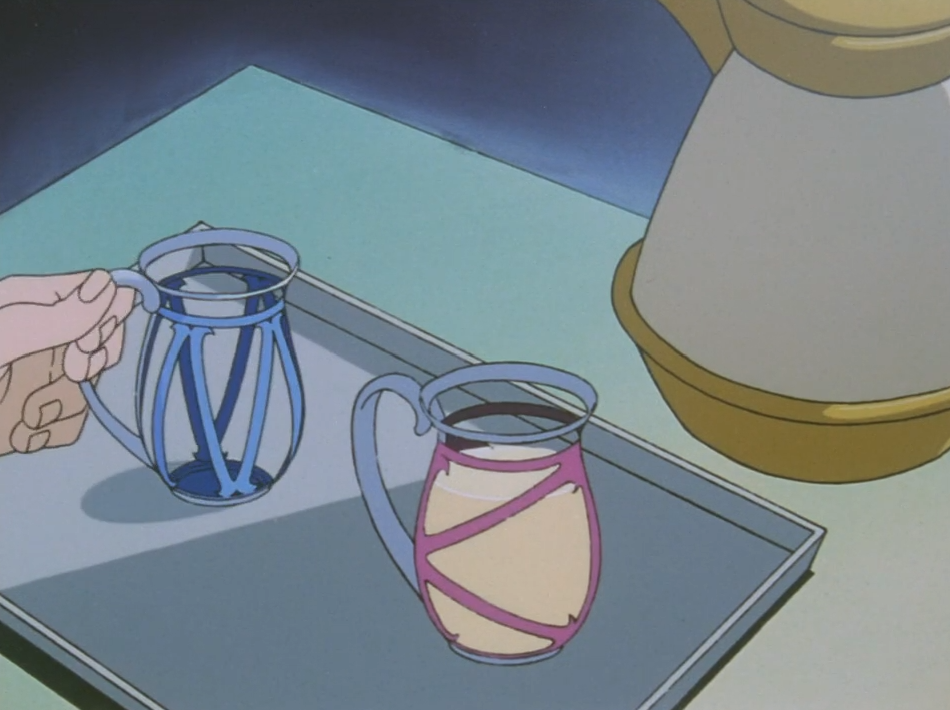
ミルクセーキ作ったけど… 飲む?
I made some milk with honey. Want any?
If you’ve been following me since before the Utena fansub project, you’ll know that I sometimes post about what I call Trap Words in Japanese — loanwords that a typical English speaker might read and think “oh, thats a katakana-ised version of X” and be completely wrong about! For example, コンセント (konsento) is not “consent” but “power outlet/socket” (coming from a katakana conversion and then abbreviation of “concentric plug”). This is a mini trap words post!
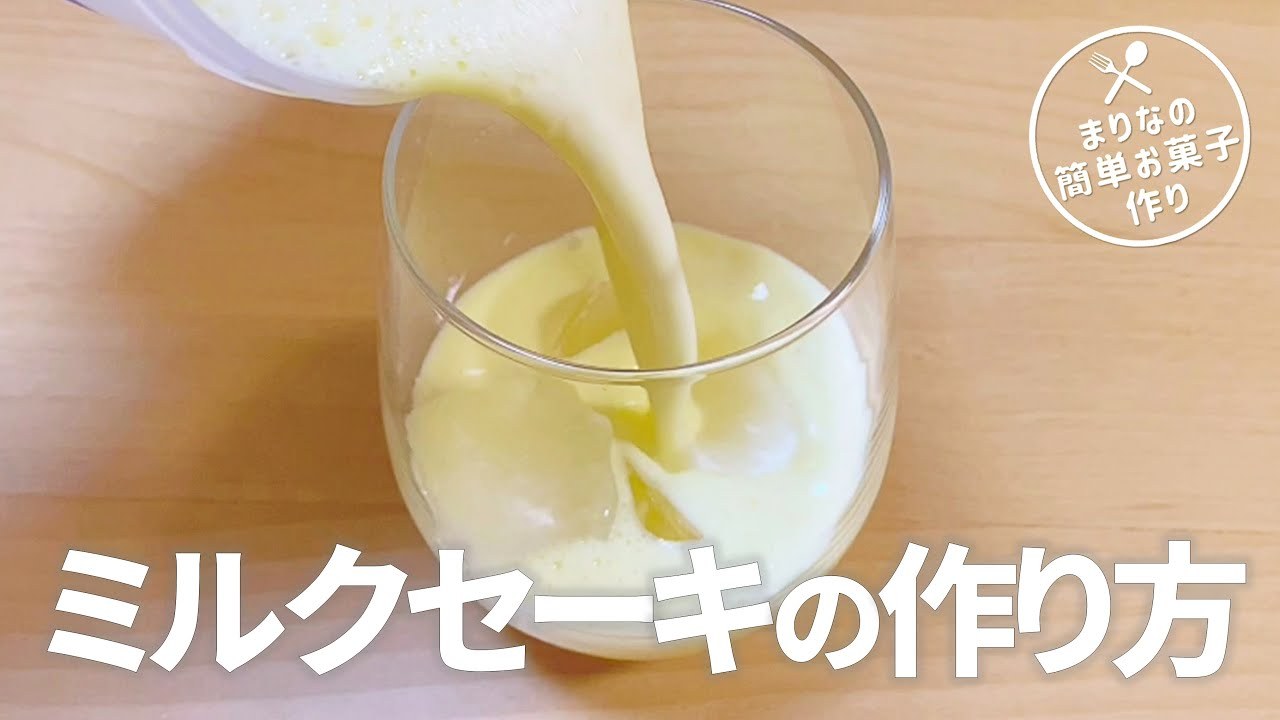
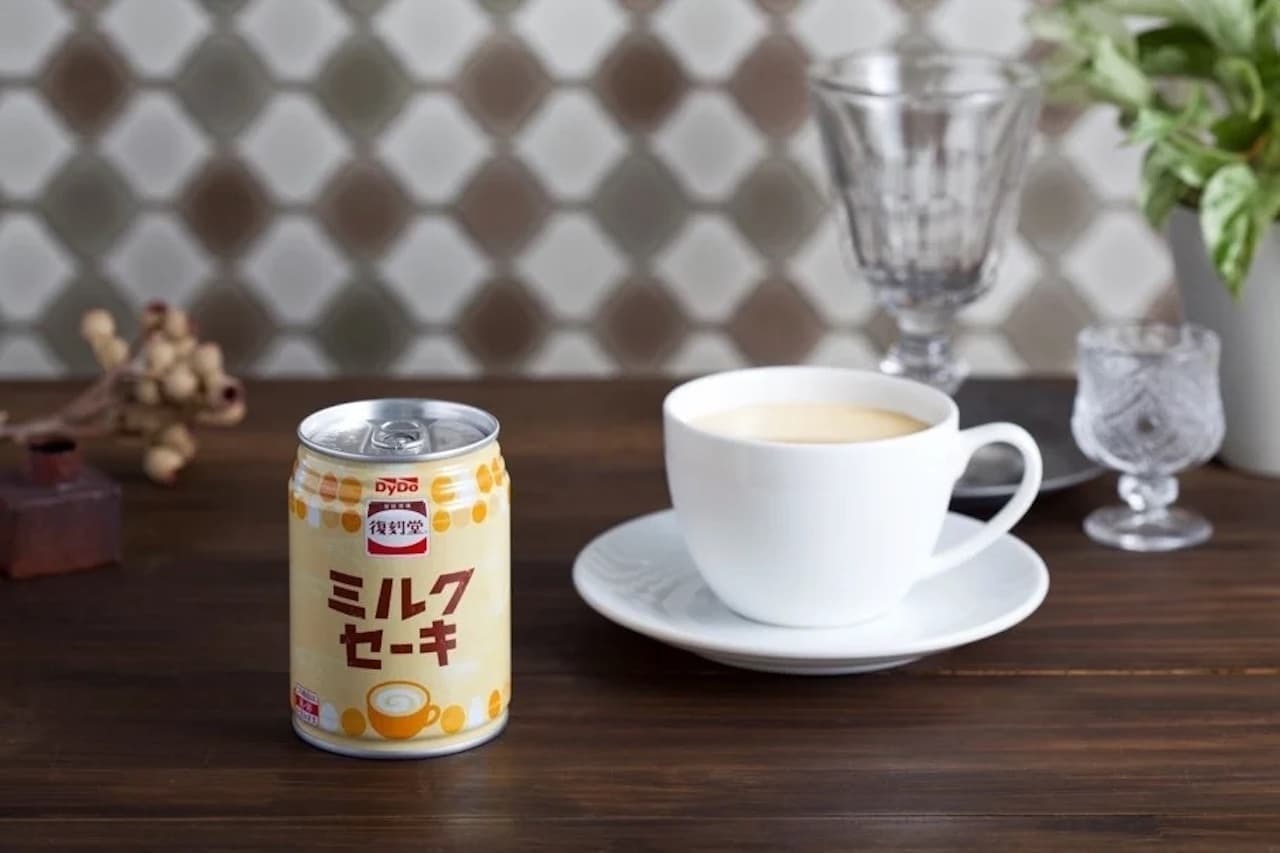
I lied in this line. He didn’t make milk and honey. He made ミルクセーキ (mirukusēki). What is mirukusēki? A typical J→E dictionary would translate it as… Milkshake. But what a Japanese person imagines when they hear ミルクセーキ and what an English speaker imagines when they hear “milkshake” are COMPLETELY different.

I think of it like the word アニメ (anime). What does the Japanese word アニメ mean? It means “cartoon”. To a Japanese person, Tom and Jerry is アニメ. What does the English word “anime” mean? It means a specific style and genre of specifically Japanese animation. To an English speaker, Tom and Jerry is not anime. アニメ and “anime” are two different words with different meanings, despite sharing some history and sharing the same romanised form, because they are words in two different languages.
ミルクセーキ (mirukusēki) is a loanword from English which comes from “milkshake”, just like アニメ comes from “animation”. But a ミルクセーキ is not a milkshake. A ミルクセーキ usually contains eggs like an eggnog, it usually does not contain ice cream but instead crushed ice (thus being much less viscous), it’s seen as more of an after dinner nightcap type drink (similar to milk and honey!!) while the English “milkshake” is seen as a lunchtime drink usually accompanying fast food.
The Japanese wikipedia article for ミルクセーキ mentions that there are two types. One is “french style” which is the one Miki makes and the only thing that comes up if you put ミルクセーキ into google images. The other is “american style” and the reason it doesn’t come up on google images is because it’s much more often referred to as シェーキ (shēki) which when said aloud sounds much closer to “shake” than “sēki”. So the real translation for “milkshake” is シェーキ. What does that mean for ミルクセーキ ? Well, it’s its own thing! It’s a Japanese drink called mirukusēki that happens to be confusingly named after the English “milkshake”.
Anyway. I decided to translate this as “milk and honey” because that was the most appropriate term I could think of that they might drink in bed, presumably to help them sleep. Also the consistency and colour of the drink in the show looks kind of like milk and honey.
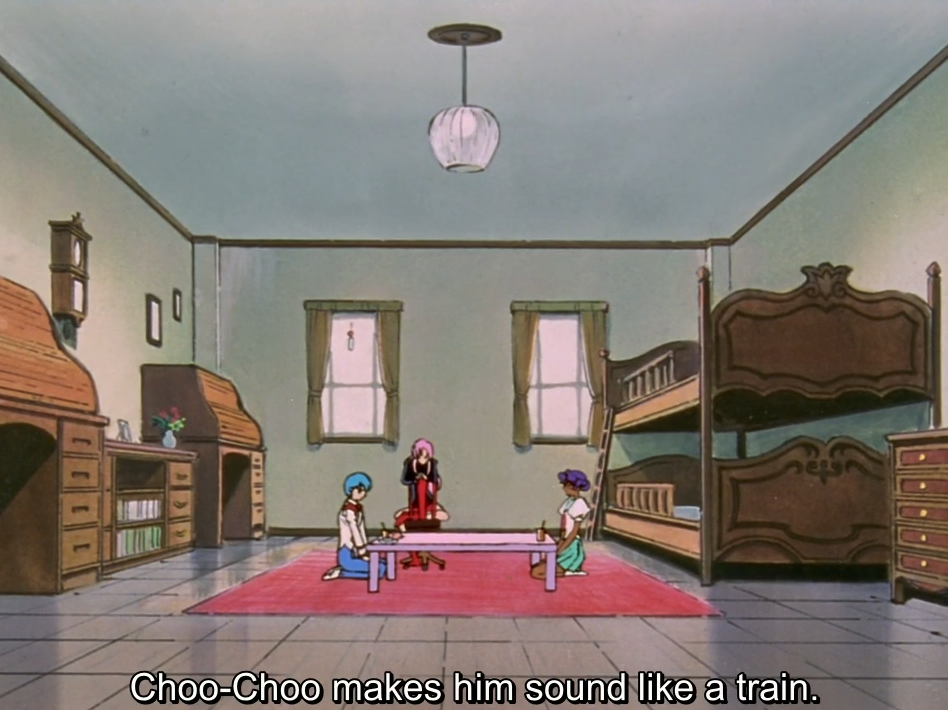
Miki: ちゅうちゅうってかわいいですね! Utena: ちゅうちゅうじゃなくて、チュチュだよ。ちゅうちゅうじゃまるでねずみじゃないか?
Miki: Choo-Choo is so cute, isn’t he? Utena: It’s not Choo-Choo, it’s Chuchu. Choo-Choo makes him sound like a train.
This line was also a lie! Utena actually says “mouse” not “train”. チューチュー (chūchū — note the long vowel ū) is the Japanese onomatopoeia for a mouse squeaking (which you may know from Pokemon — Pikachu’s name comes from the sound of a sparkle, pika, and the sound of a mouse, chū). Utena’s actually pointing out that Chuchu is not quite a mouse, not quite a monkey.
The option most translators would opt for in this situation would be to translate directly and keep the “mouse” bit. But since this translation project prioritises natural language, I chose to make the comparison work with an English onomatopoeia. I want the audience to think “huh that was weird, I guess it was hard to translate that line” as LITTLE as possible!
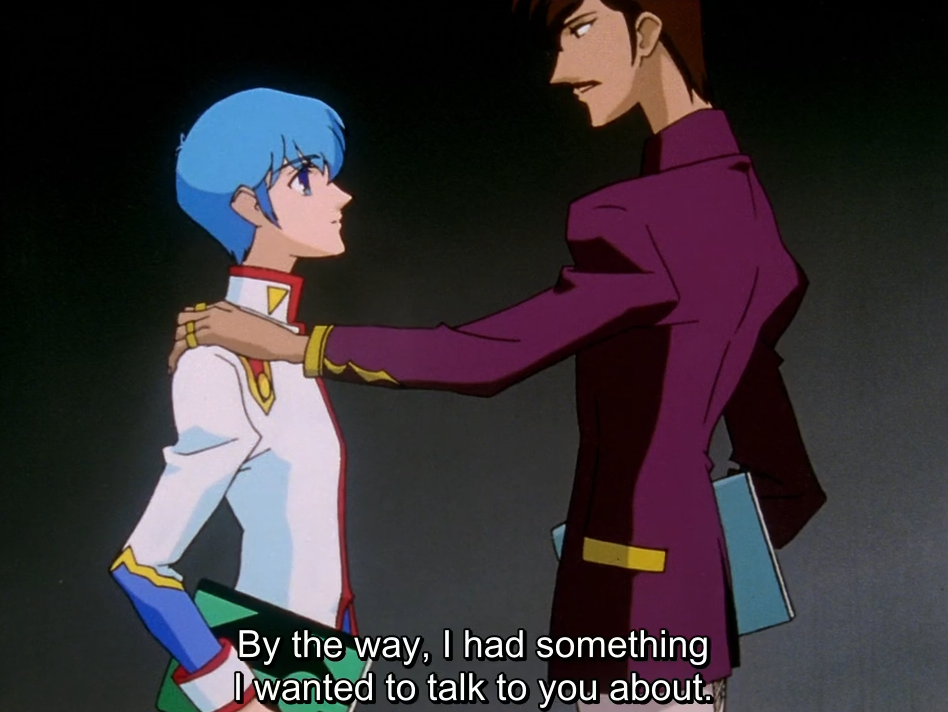
んんー、ああ。君にも迷惑かけたな。実は迷惑ついでにちょっと相談があるんだミッキー。
Oh, fine. Sorry for worrying you. By the way, I had something I wanted to talk to you about. (note lack of green)
A more literal translation would be:
Oh fine. I worried you, didn’t I? Speaking of taking up your time, I had something I wanted to talk to you about.
迷惑 (meiwaku) is the sticky part of this translation. The Japanese concept of 迷惑 is quite strange to most English speakers. Here are some examples of when you might experience 迷惑:
- When someone’s late and you need to wait for them.
- When you’re going somewhere and someone sees you and pulls you aside into a conversation.
- When you go to use a public toilet and the seat has piss on it.
Here are some examples that aren’t really 迷惑, but it’s polite to say that they are:
- When you get hurt - apologise for causing 迷惑 to people who worried about you.
- When someone does something nice for you - apologising for causing 迷惑 implies that they spent a lot of time for your benefit and you appreciate that.
I guess a good definition of 迷惑 would be “when someone’s actions cause someone else to lose time, money, or cause them to become upset.” But we don’t have a word for that in English that sounds right in this kind of context! There’s no word that can mean both “worrying someone due to a having a fall” and “taking up their time on the way to class”. So although the teacher says “speaking of 迷惑”, I just had to skip that part because I couldn’t work it in. I couldn’t make the two concepts connected enough for it to sound natural.

Thank you to my amazing editor @dontbe-lasanya for their great work as always!
Make sure to follow the blog if you want to see more posts like this, or if you just want to follow along with the fansub releases! To see all episodes released so far, go here:
Haru Dipthong’s Utena Fansub - Google Drive
Rose divider taken from this post